Anxiety before adventure activities is normal and healthy. Here is the science behind why your brain resists new thrills and proven strategies to push through.
If you have ever felt a knot of anxiety building as you approach an adventure activity, know that your brain is functioning exactly as evolution designed it to. The anticipatory anxiety that accompanies novel physical challenges is not a flaw in your character or evidence that adventure is not for you. It is a protective mechanism that has kept humans alive for millennia, and understanding it is the first step to working with it rather than against it.
The neuroscience of adventure anxiety involves two competing brain systems. Your amygdala, the brain's threat detection center, identifies the upcoming activity as a potential danger and triggers a cascade of stress hormones including cortisol and adrenaline. Simultaneously, your prefrontal cortex, the rational planning center, recognizes that the activity is actually safe based on evidence: safety equipment, trained guides, millions of successful participants before you. The anxiety you feel is literally the conflict between these two systems as they each try to drive your behavior.

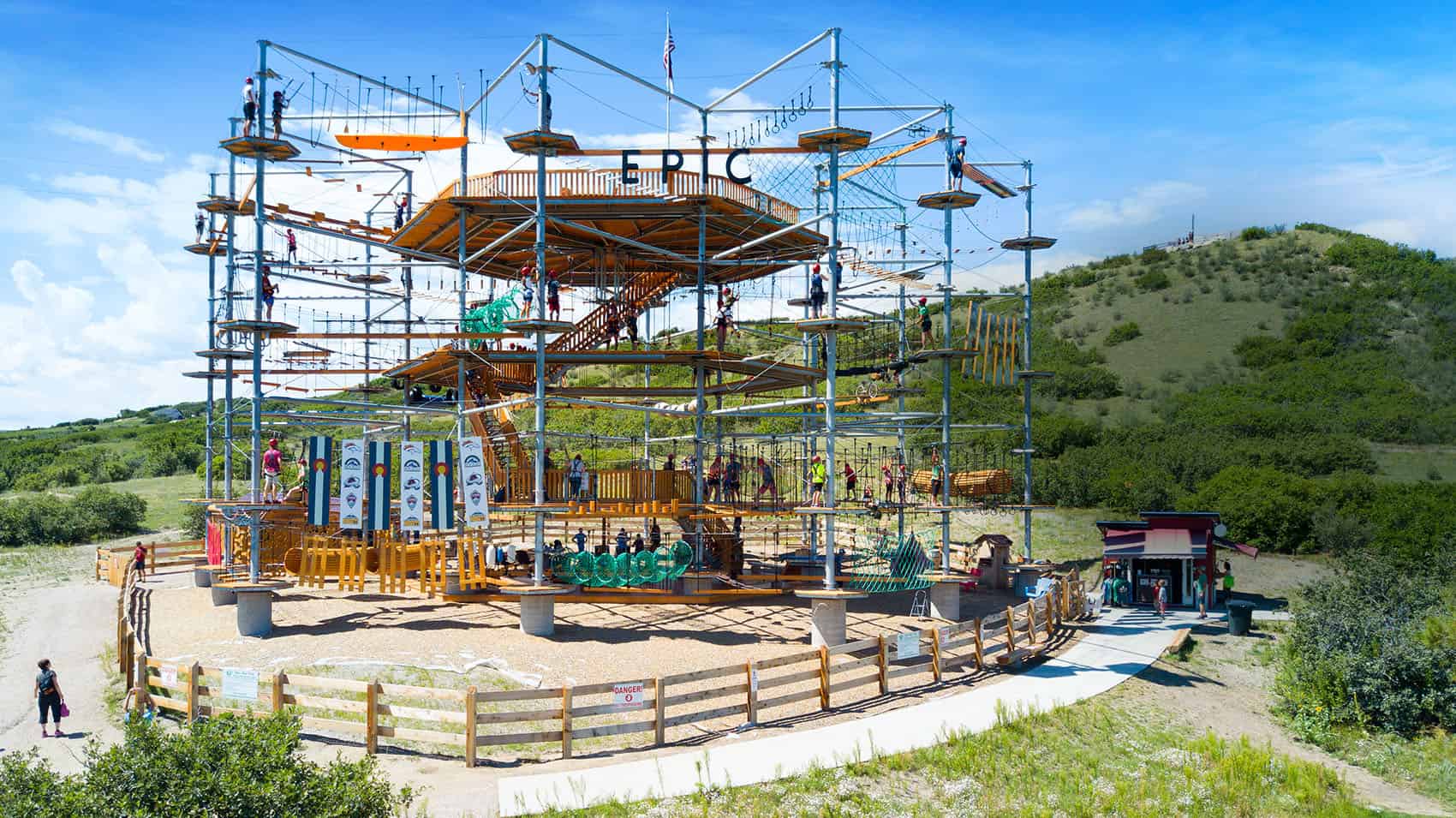
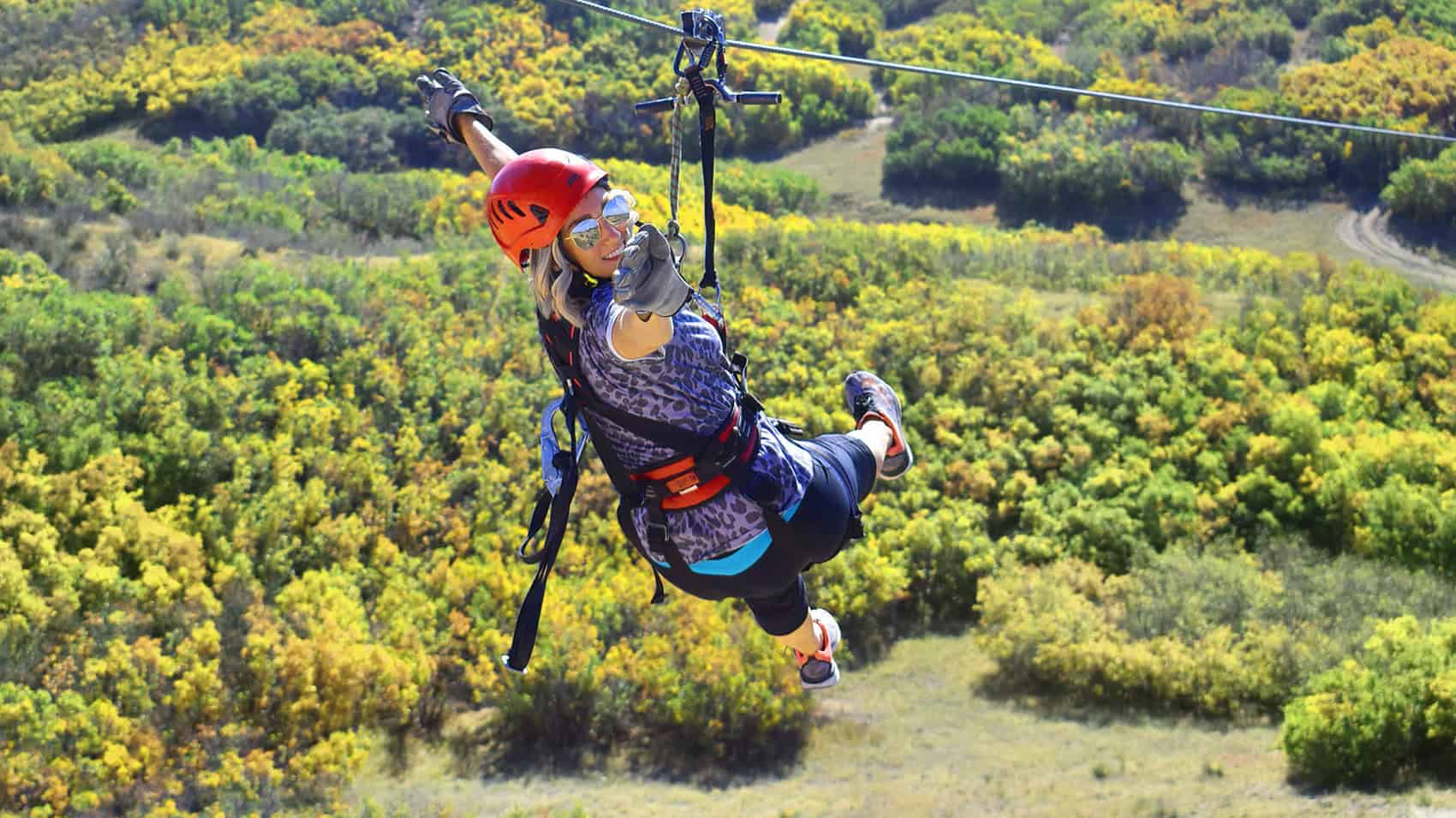
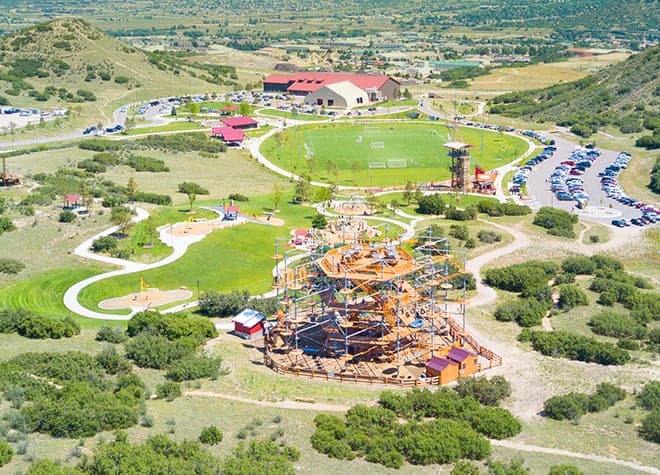
The fascinating thing about adventure activities is that they provide one of the fastest and most reliable ways to resolve this neural conflict permanently. When you complete a zipline tour or Sky Trek session despite your amygdala's protests, you create a powerful new memory that your prefrontal cortex can reference in the future. Next time your amygdala fires a warning about a novel physical challenge, your cortex can say: "We did this before, remember? We survived and actually enjoyed it." This is the neurological basis of earned confidence.
“If you have ever felt a knot of anxiety building as you approach an adventure activity, know that your brain is function...”
Pre-activity strategies that actually work are grounded in this understanding of your nervous system. Deep breathing techniques, specifically a four-count inhale, seven-count hold, and eight-count exhale pattern, activate your parasympathetic nervous system and physiologically reduce the stress response. Progressive muscle relaxation, where you deliberately tense and release muscle groups starting from your feet upward, can reduce physical tension that amplifies mental anxiety. Visualization of successful completion primes your brain with a positive template rather than catastrophic scenarios.
During the activity itself, cognitive reframing is your most powerful tool. Instead of interpreting your racing heart and shallow breathing as evidence of danger, explicitly label them as excitement. Research by psychologist Alison Wood Brooks demonstrates that people who say "I am excited" before a stressful activity perform significantly better than those who say "I am calm" or "I am anxious." The physical sensations of anxiety and excitement are nearly identical. Your label determines your experience.
The post-activity period is equally important for long-term anxiety management. Take time to consciously acknowledge what you accomplished. Resist the tendency to minimize your achievement with phrases like "it was not that bad." It was challenging for you, you did it anyway, and that matters. Share your experience with others. The act of narrating your success reinforces the positive memory and builds the evidence base your prefrontal cortex will draw on in future novel situations.
For people with clinical anxiety disorders rather than situational nervousness, adventure activities can still be appropriate but may require additional preparation. Consider discussing your plans with a mental health professional who can provide personalized coping strategies. Start with the lowest-intensity activities and build gradually. Communicate with EDGE staff about your anxiety so they can provide appropriate support. And remember that choosing not to participate is always valid. The goal is expanding your comfort zone over time, not demolishing it in a single afternoon.