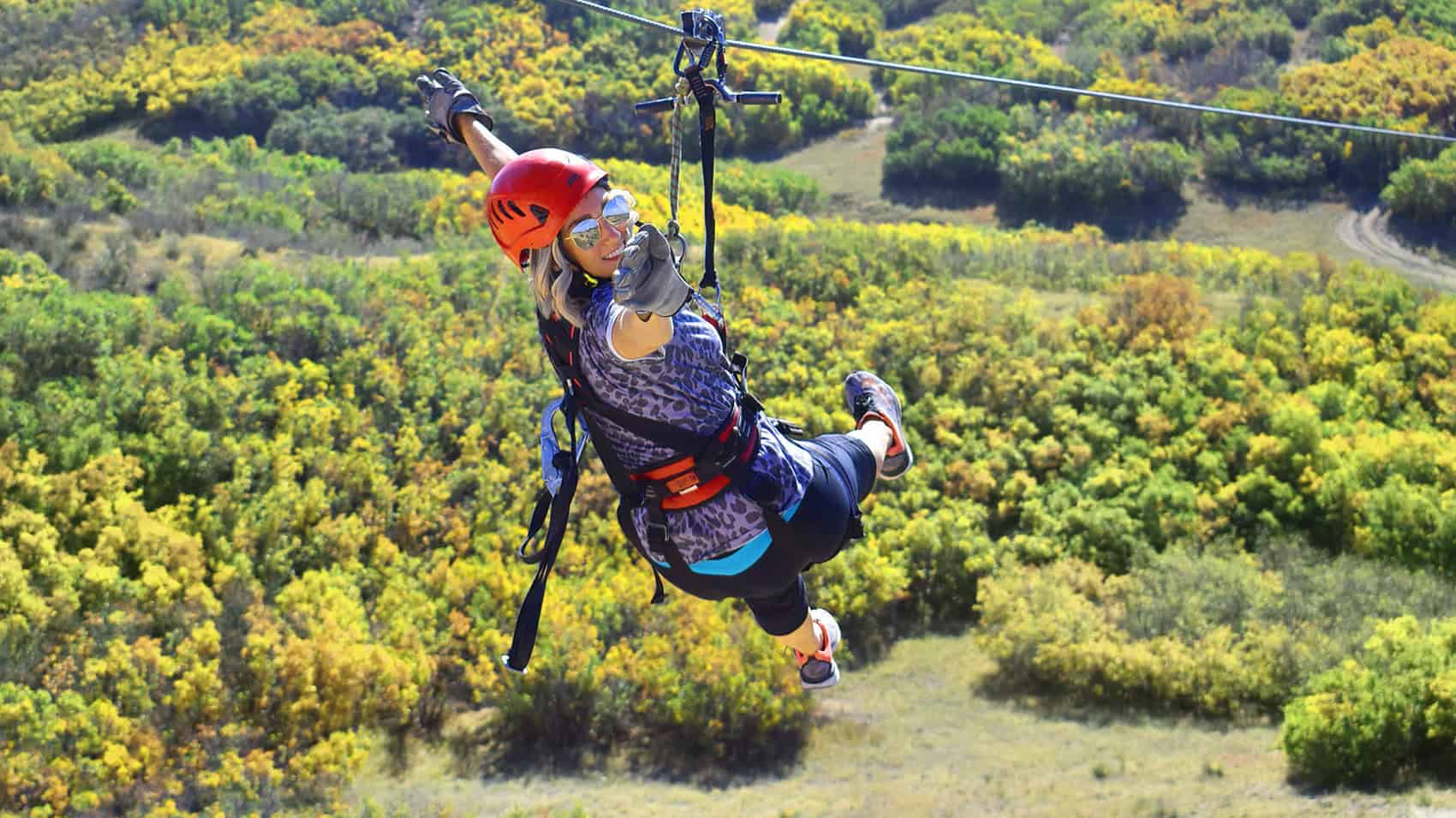
Forget the gym. Sky Trek delivers a full-body workout that burns calories, builds strength, and improves balance while you are too busy having fun to notice.
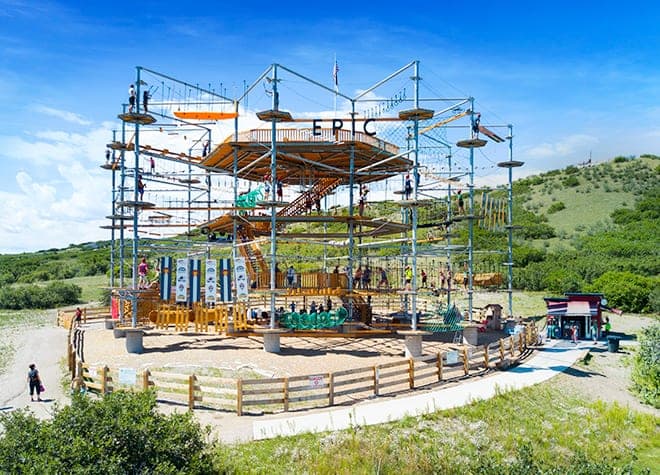
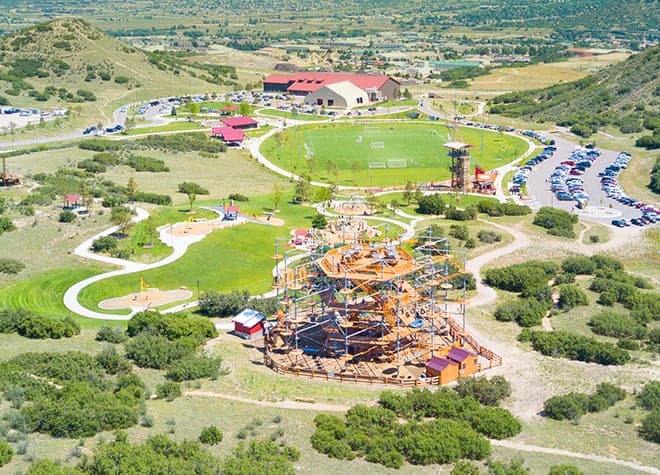
When most people think of Sky Trek, they picture a fun aerial adventure. What they do not expect is to wake up the next day feeling like they did a full-body gym session. The truth is that navigating 110 aerial elements across four levels is an incredibly effective workout that engages muscle groups most people neglect in their regular exercise routines. Here is what makes Sky Trek such an effective fitness activity, even if you never think of it as exercise.
The grip strength demands alone set Sky Trek apart from most conventional workouts. Nearly every element requires you to hold your body weight with your hands in some capacity, whether gripping handles, ropes, bars, or rails. Over a two to four hour session, your forearms and hands get a workout that rivals dedicated climbing sessions. Grip strength is one of the most functional fitness metrics, correlating strongly with overall health markers and daily capability, yet most gym-goers never specifically train it.
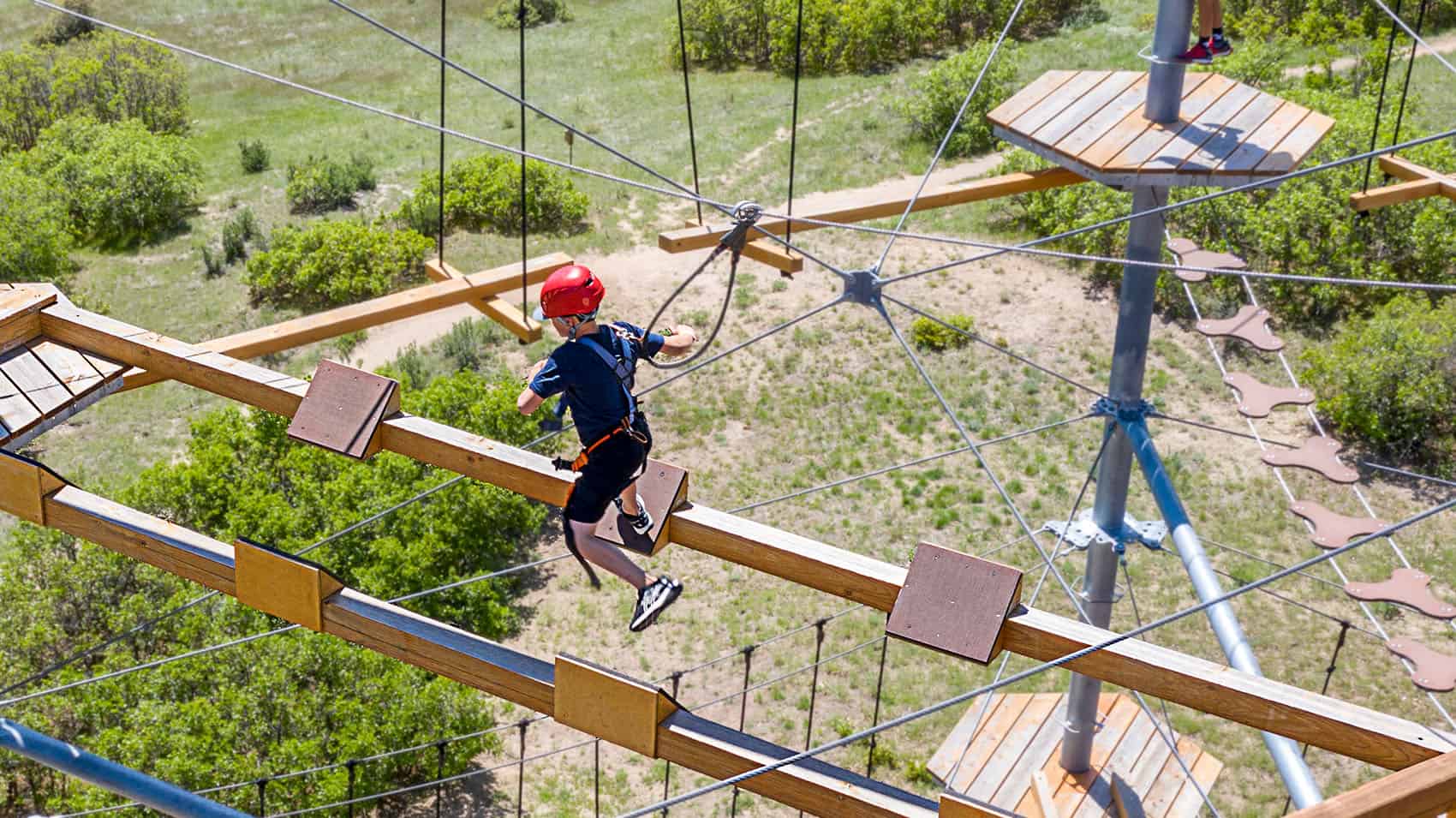
Core engagement is constant and varied throughout a Sky Trek session. Unlike a plank or crunch where you hold one position, aerial elements require your core to stabilize your body through dynamic, unpredictable positions. When you cross a swinging bridge, your deep stabilizer muscles fire to keep you upright. When you traverse a balance beam at height, your obliques and transverse abdominis work overtime. This kind of reactive core training translates directly to better posture, reduced back pain, and improved athletic performance in other sports.
“When most people think of Sky Trek, they picture a fun aerial adventure. What they do not expect is to wake up the next ...”
Upper body strength gets a thorough test on the moderate and challenging elements. Monkey bars, cargo nets, climbing walls, and overhead traverses all require pulling strength that many people lack. The beautiful thing about Sky Trek as a training tool is that you can self-select your challenge level. If the black-diamond elements are too demanding today, work the blue-level elements and build strength progressively over multiple visits. Many of our regular visitors have documented significant strength gains from weekly Sky Trek sessions.
Balance and proprioception receive intensive training on nearly every element. Walking on narrow beams, stepping across floating platforms, and navigating wobbling bridges all challenge your vestibular system and body awareness in three dimensions. This type of training is particularly valuable as we age, since balance deterioration is a primary risk factor for falls in older adults. But even for young athletes, improved proprioception enhances performance in virtually every sport from skiing to basketball to dance.
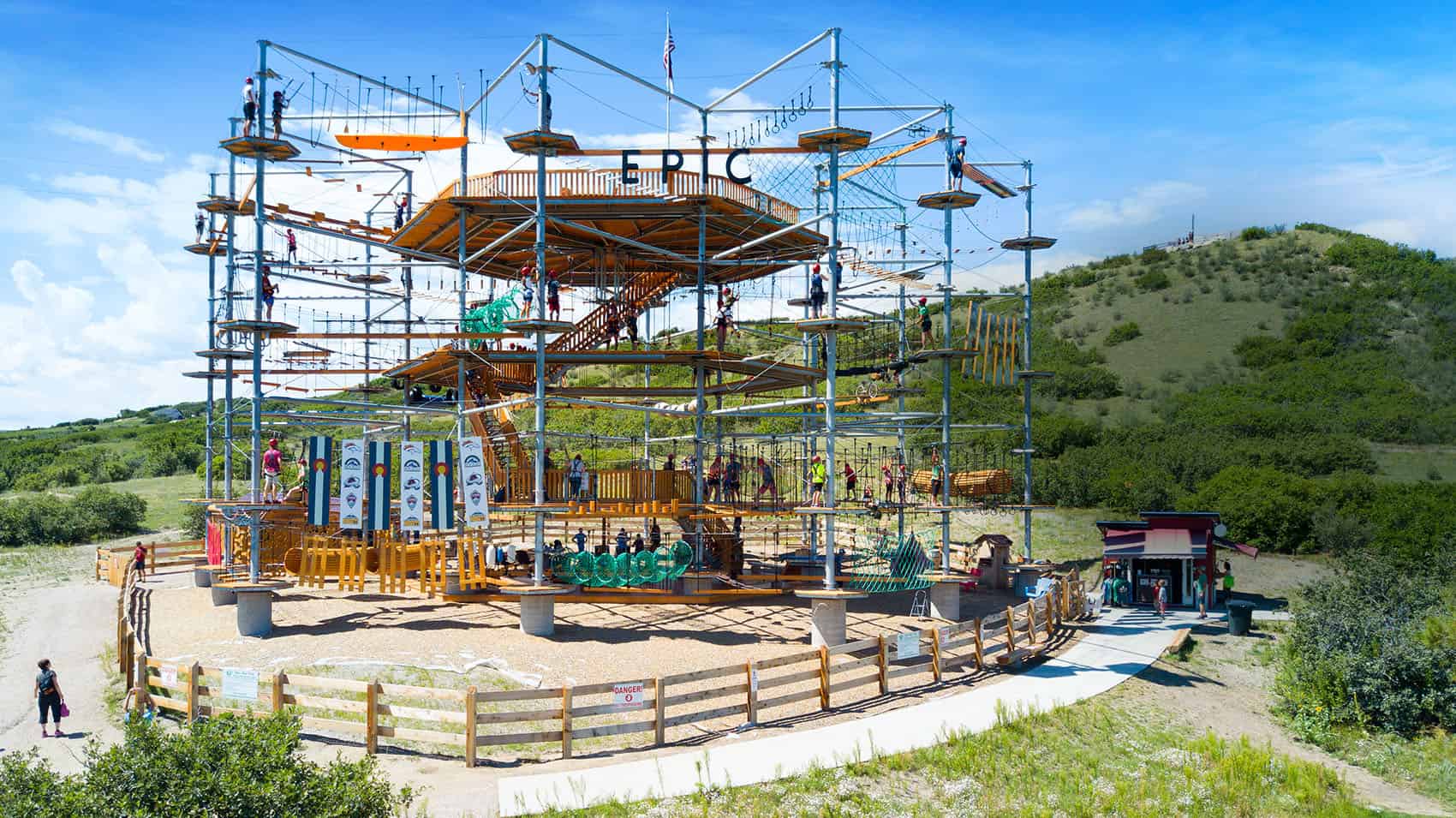
The caloric burn of a Sky Trek session is substantial and sustained. Because the activity is weight-bearing and involves continuous movement at height, your body burns significantly more calories than low-intensity steady-state activities like walking or casual cycling. The intermittent nature of the work, with bursts of intense effort on challenging elements followed by brief rest periods on platforms, mimics the high-intensity interval training pattern that research shows is optimal for fat burning and cardiovascular fitness improvement.
Perhaps most importantly, Sky Trek provides exercise that does not feel like exercise. The fun factor, the social atmosphere, the sense of achievement, and the novel environment all contribute to a state of flow where you are too engaged to notice fatigue building. This is the holy grail of fitness: an activity so enjoyable that you voluntarily do it regularly without needing willpower or discipline. Many of our frequent visitors joke that Sky Trek is their gym membership replacement, and based on the fitness benefits, they are not entirely wrong.