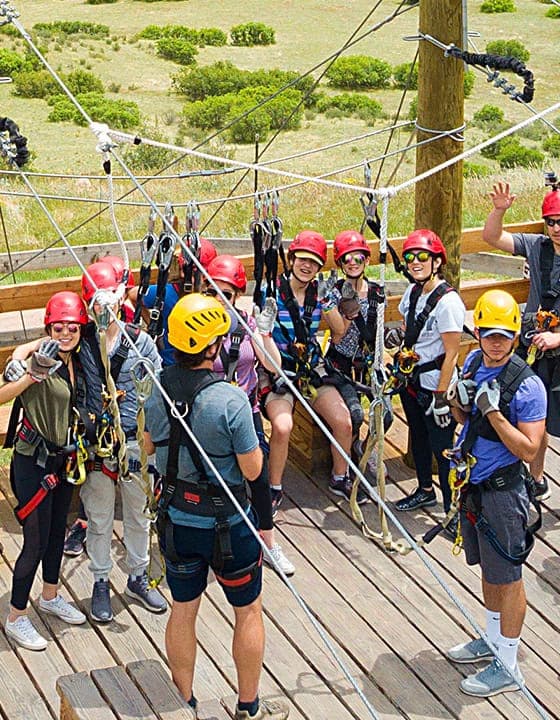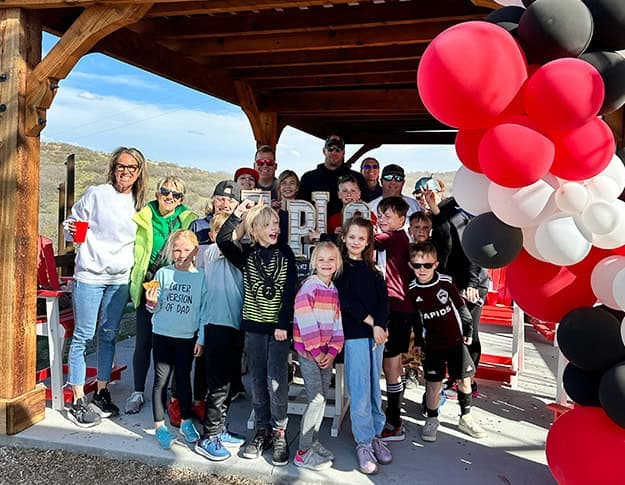
Beyond the fun, adventure activities like ziplining teach children resilience, courage, and self-belief that carries into school, sports, and life.
As parents, we are always looking for experiences that help our children grow into confident, resilient individuals. While sports teams, music lessons, and academic challenges all play important roles, adventure activities like ziplining offer something uniquely powerful: the opportunity to face a genuine fear, push through it, and come out the other side with an unshakable sense of personal accomplishment.
The psychological mechanics of how this works are well-documented. When a child stands at the edge of a zipline platform, their brain registers a genuine threat signal. Heights are one of the few fears that appear to be at least partially innate in humans, so overcoming it requires conscious courage rather than ignorance of danger. When the child makes the choice to step off that platform despite their fear, they experience a powerful lesson: I was afraid, I chose to act anyway, and I survived. This narrative becomes part of their identity as a capable person.
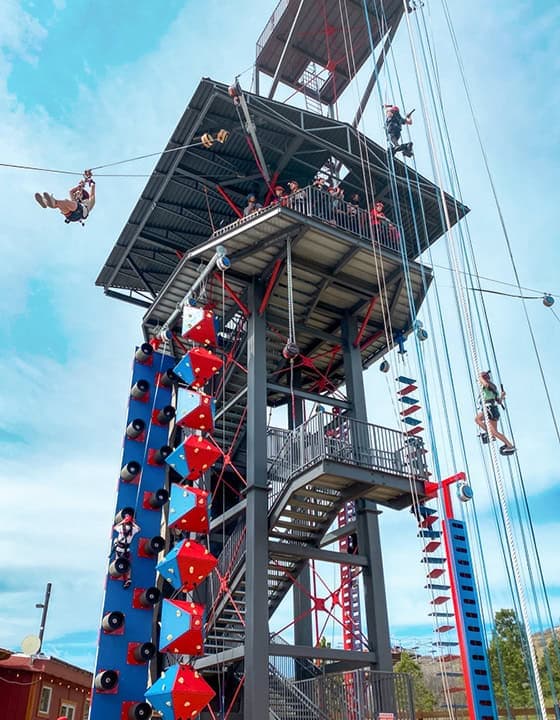
The progressive design of courses like ours at The EDGE amplifies this confidence-building effect. Rather than throwing children into the deep end, our 10-line tour starts with shorter, lower lines that feel manageable. With each successful crossing, the child builds evidence that they can handle the next challenge. By the time they reach the longer, higher lines later in the tour, they have accumulated a track record of success that gives them genuine, earned confidence rather than empty reassurance.
“As parents, we are always looking for experiences that help our children grow into confident, resilient individuals. Whi...”
Our guides play a crucial role in this process and are trained to support young adventurers without enabling avoidance. A great guide validates the child's feelings by saying something like "I can see you are a little nervous, and that is completely normal." They never dismiss the fear or pressure the child to hurry. Instead, they offer specific, practical guidance: "When you are ready, sit back in your harness and lift your feet. The line will do all the work." This teaches children that it is okay to feel afraid and that there are concrete steps they can take to move forward despite their emotions.
The confidence gains from ziplining transfer remarkably well to other areas of a child's life. Parents consistently report that children who have completed adventure activities show more willingness to try new things, speak up in class, attempt difficult problems without giving up immediately, and handle social anxiety more effectively. The logic is simple but powerful: once you have stepped off a platform 50 feet in the air, raising your hand in class or trying out for a sports team feels far less intimidating.
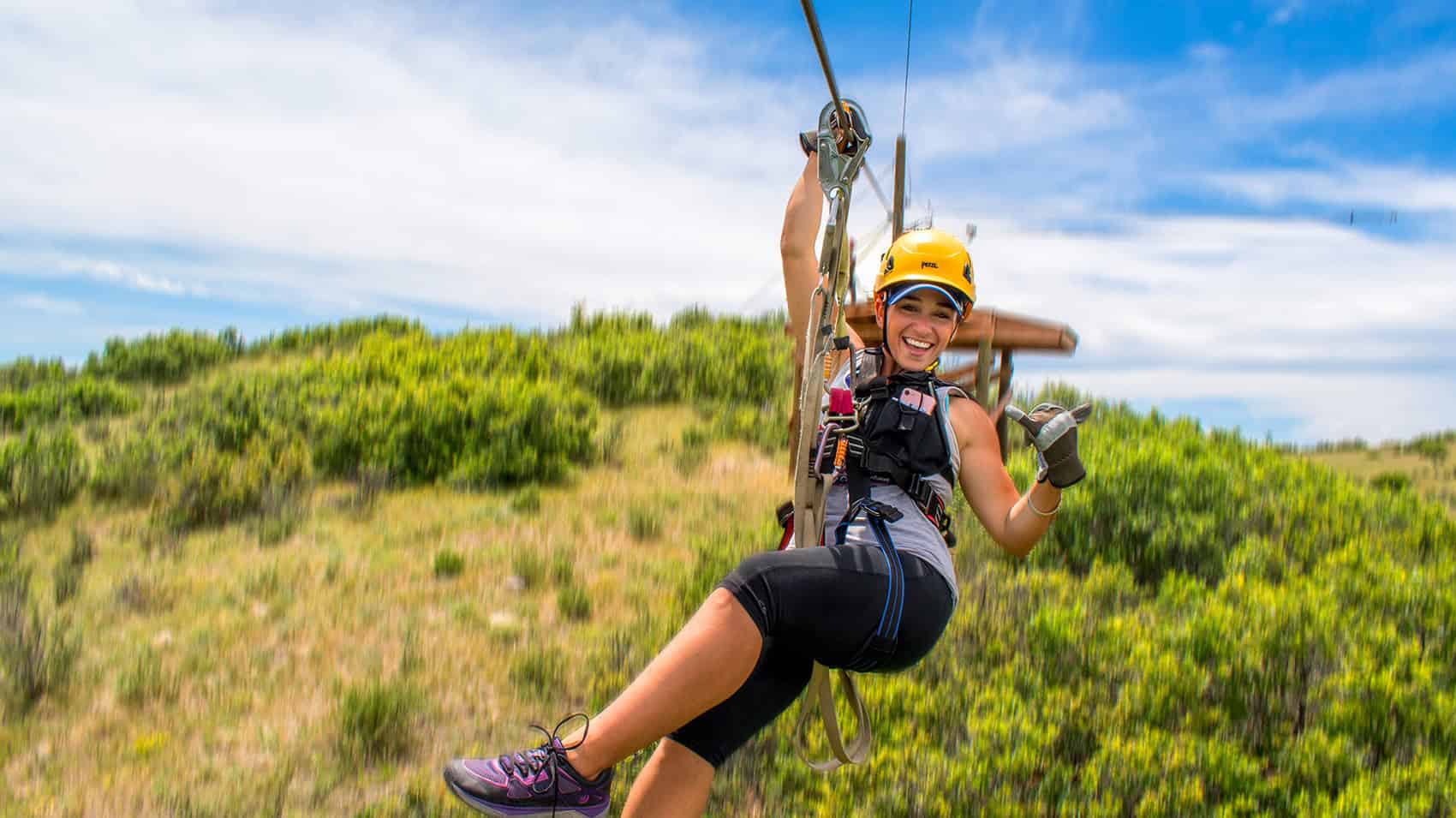
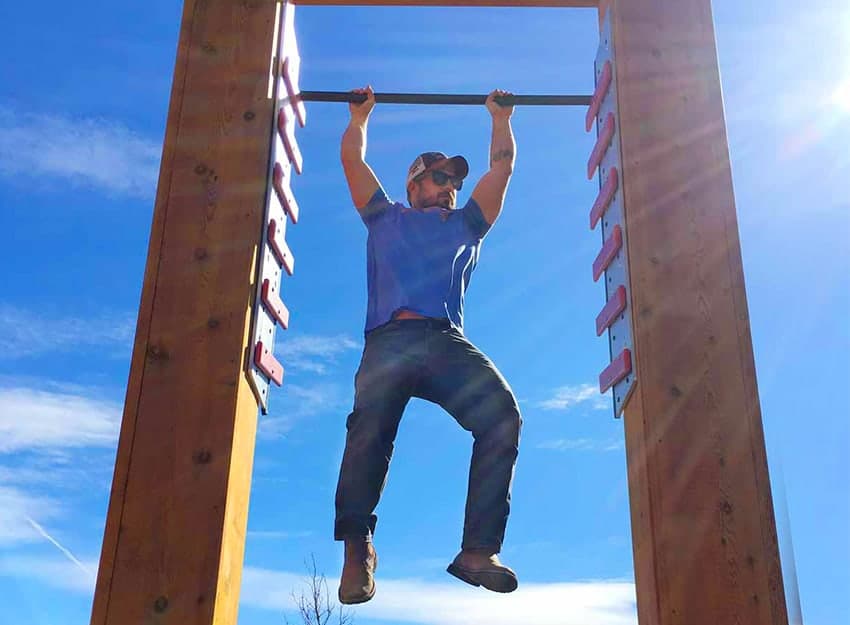
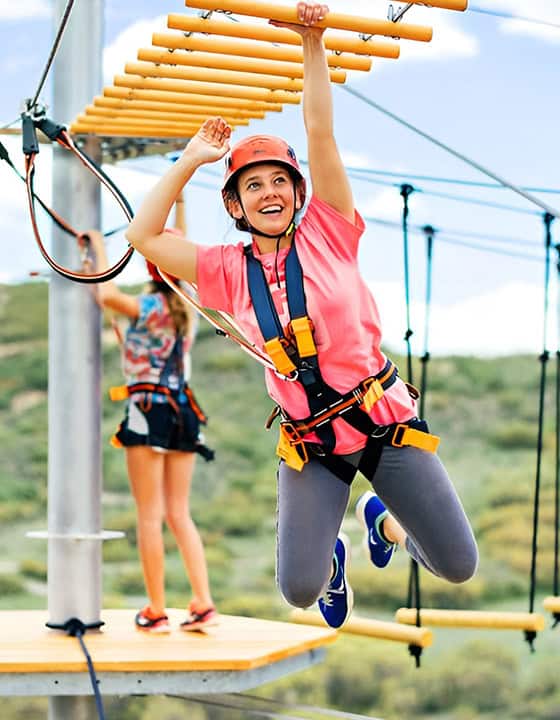
Sky Trek and the Ninja Warrior Course offer similar confidence-building benefits at different intensity levels. Sky Trek lets children self-select their challenge level, working from easy green elements to progressively harder blue and black options. The Ninja Course builds physical confidence through mastery of specific obstacles. Each time a child conquers an element they previously failed, they internalize the message that persistence and practice lead to success. These are the same growth mindset principles that educational researchers have identified as predictors of academic and professional success.
If your child is hesitant about adventure activities, start with the lowest-intensity option and let them set the pace. Many children who are initially reluctant become the most enthusiastic repeat visitors once they experience their first success. The key is never forcing the experience but making it available and providing warm encouragement. When a child chooses courage on their own terms, the resulting confidence is far more durable than confidence given to them by an adult.